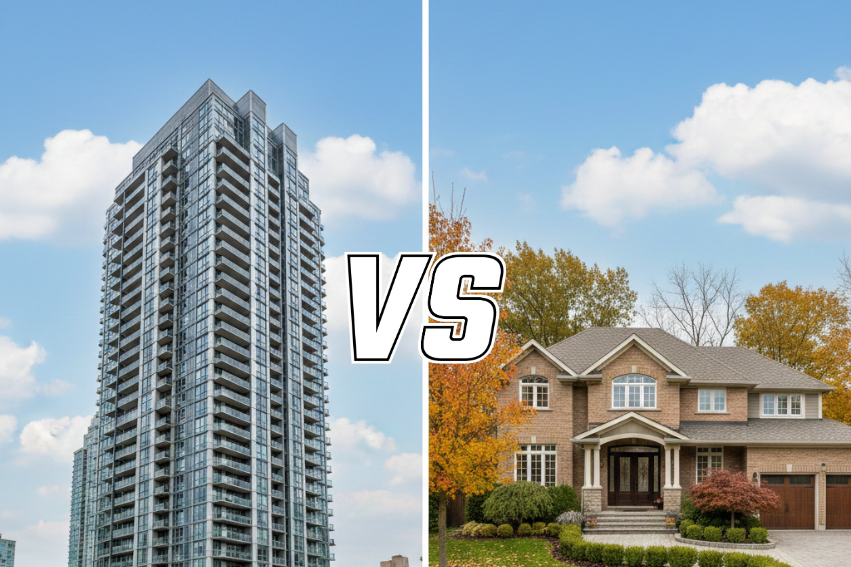
Canada’s real estate market is entering 2026 with shifting affordability, stabilizing interest rates, and strong immigration-driven demand. For many buyers, one big question stands out: Should you buy a condo or a detached home in 2026?
This decision isn’t just about price—it’s about lifestyle, long-term wealth building, maintenance responsibility, and market trends in major cities like Toronto, Montreal, Vancouver, and Calgary.
Let’s break it down clearly.
Understanding the 2026 Market Landscape
Canada continues to experience strong population growth due to immigration and interprovincial migration. Urban centers remain competitive, while suburban and secondary cities are gaining popularity.
In 2026:
-
Condo supply has increased in downtown cores.
-
Detached home inventory remains limited in prime neighborhoods.
-
Buyers are more cautious due to affordability pressures.
-
Investors are focusing on rental demand and cash flow.
With that context, choosing between a condo and a detached home depends heavily on your goals.
What Is a Condo?
A condominium (condo) is a private residential unit within a larger building or community. Owners share common areas such as hallways, elevators, gyms, and parking garages, and pay monthly maintenance fees.
Condos are common in high-density cities like Toronto and Vancouver, where land is limited and vertical living dominates.
What Is a Detached Home?
A detached home is a standalone property that does not share walls with neighbors. The owner owns both the structure and the land it sits on.
Detached homes are more common in suburban areas and cities like Calgary and parts of Montreal, where land availability is higher compared to dense downtown cores.
Affordability: Entry Cost Comparison
One of the biggest differences in 2026 remains price.
Condos
-
Lower purchase price
-
Smaller down payment required
-
Easier entry point for first-time buyers and newcomers
-
Ideal for buyers with limited capital
Detached Homes
-
Higher purchase price
-
Larger down payment
-
Higher closing costs
-
More financial commitment upfront
For buyers entering the market for the first time, condos are often the more realistic option.
Maintenance and Responsibility
Condo Living
-
Monthly condo fees cover snow removal, landscaping, building insurance, and amenities.
-
Less day-to-day maintenance stress.
-
Ideal for busy professionals or investors.
Detached Home Living
-
Full responsibility for roof, plumbing, landscaping, heating systems, and repairs.
-
Higher unexpected repair costs.
-
Greater control over upgrades and renovations.
If you prefer convenience and minimal maintenance, condos offer simplicity. If you prefer independence and customization, detached homes provide flexibility.
Investment & Appreciation Potential
Historically, detached homes in Canada have appreciated faster over the long term because land value increases steadily.
Detached Homes
-
Stronger long-term appreciation
-
Higher resale demand among families
-
Limited supply supports value growth
Condos
-
Steady but moderate appreciation
-
Strong rental demand in city centers
-
More sensitive to market oversupply
In competitive markets like Toronto, detached homes often command premium growth. Meanwhile, condos remain attractive for rental income due to proximity to business districts and transit.
Lifestyle Considerations
Choose a Condo If:
-
You work downtown
-
You value amenities like gyms and concierge services
-
You want low maintenance
-
You are single or a young couple
-
You are buying primarily for rental income
Choose a Detached Home If:
-
You have children
-
You want a backyard
-
You need more space
-
You plan to stay long-term (10+ years)
-
You want privacy and renovation freedom
Lifestyle alignment is just as important as financial strategy.
Rental Market Outlook for 2026
Canada’s rental market remains strong due to population growth and limited housing supply.
-
Condos in urban areas continue to see strong tenant demand.
-
Detached homes are increasingly rented by families seeking suburban living.
-
Cities like Calgary are experiencing growth due to affordability compared to Ontario and British Columbia.
For investors focused on consistent rental income, condos often provide easier management and tenant turnover.
Risk Factors to Consider
Condo Risks
-
Rising condo fees
-
Special assessments for major repairs
-
Market oversupply in certain downtown areas
Detached Home Risks
-
Higher mortgage payments
-
Costly repairs
-
Slower liquidity due to higher price point
Each property type carries different financial risks, and buyers should review budgets carefully.
So, Which Is Better in 2026?
There is no universal answer.
If your priority is affordability, convenience, and rental income, a condo may be the smarter move.
If your goal is long-term appreciation, space, and family living, a detached home may offer greater value over time.
Ultimately, the better choice depends on:
-
Your budget
-
Your long-term plan
-
Your city of choice
-
Your risk tolerance
-
Your lifestyle needs
Conclusion
Canada’s real estate market in 2026 offers opportunities in both condos and detached homes. Each serves a different type of buyer and investor. Understanding your goals is the key to making the right decision.
Whether you’re a first-time buyer, immigrant family, or seasoned investor, the smart move is to align your property choice with your financial strategy and lifestyle vision.
In 2026, success in Canadian real estate isn’t about choosing what’s popular—it’s about choosing what’s right for you.