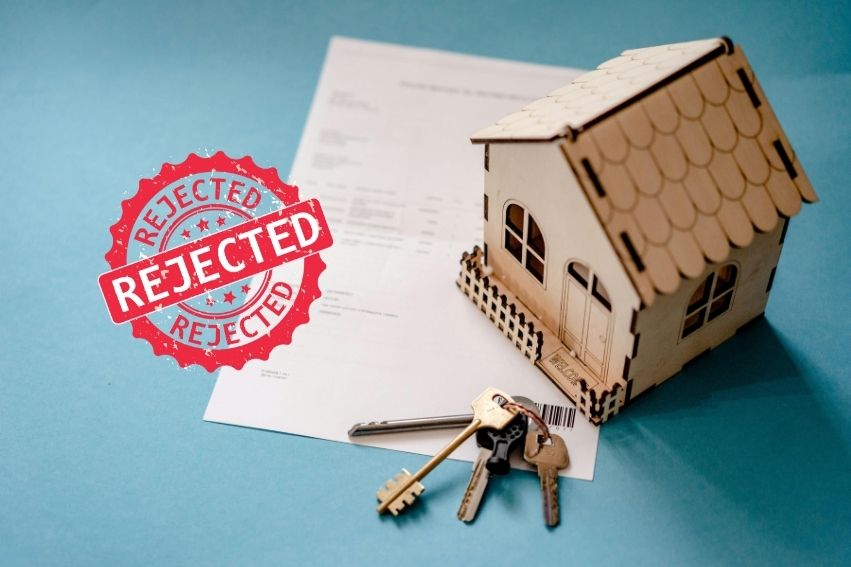
Applying for a mortgage is an exciting step toward homeownership, but not every application is approved. Receiving a mortgage decline can be disappointing, especially if you weren’t expecting it. The good news is that a declined application doesn’t necessarily mean you won’t qualify in the future.
Mortgage lenders carefully evaluate every application to ensure borrowers can comfortably manage their mortgage payments. Understanding the common reasons mortgages are declined can help you prepare, strengthen your financial profile, and improve your chances of approval.
In this guide, we’ll explore the most common reasons mortgage applications are declined in Canada and what you can do to avoid them.
How Mortgage Lenders Evaluate Your Application
Before approving a mortgage, lenders review several aspects of your financial situation.
They typically consider:
- Your income
- Employment stability
- Credit history
- Existing debts
- Down payment
- Property information
- Overall financial health
Each lender has its own qualification guidelines, so approval requirements may vary.
1. Low Credit Score
Your credit score is one of the first things lenders review.
A low credit score may indicate past financial difficulties or inconsistent repayment habits, making lenders more cautious.
Common reasons for a lower credit score include:
- Missed or late payments
- High credit card balances
- Loan defaults
- Collections
- Bankruptcy or consumer proposals
How to Improve
- Pay all bills on time.
- Reduce outstanding balances.
- Avoid missing payments.
- Check your credit report regularly for errors.
- Avoid applying for multiple new credit accounts in a short period.
Improving your credit profile takes time, but consistent financial habits can make a significant difference.
2. Insufficient Income
Lenders want to ensure you have enough stable income to afford your mortgage payments.
Applications may be declined if:
- Income is too low for the requested mortgage amount.
- Income cannot be verified.
- Employment is inconsistent.
- Recent job changes create uncertainty.
Tips
- Apply for a mortgage that fits your budget.
- Keep employment stable whenever possible.
- Provide complete income documentation.
- Include all eligible income sources if accepted by the lender.
3. High Debt Levels
Even if your income is strong, carrying too much existing debt may affect your mortgage qualification.
Lenders review obligations such as:
- Credit cards
- Vehicle loans
- Personal loans
- Student loans
- Lines of credit
Higher monthly debt payments reduce the amount available for mortgage payments.
Ways to Improve
- Pay down high-interest debt.
- Avoid taking on new loans before applying.
- Reduce outstanding credit card balances.
Lower debt often improves overall affordability.
4. Unstable Employment
Lenders generally prefer applicants with stable and consistent employment.
Additional review may be required if you have:
- Recently changed jobs
- Seasonal employment
- Temporary contracts
- Irregular income
- Frequent employment changes
This doesn’t automatically prevent approval, but lenders may request additional documentation.
Helpful Tips
- Maintain stable employment during the mortgage process.
- Keep employment records organized.
- Be prepared to explain employment changes if requested.
5. Incomplete Documentation
One of the easiest reasons for delays or declines is missing documentation.
Commonly requested documents include:
- Government-issued identification
- Employment letter
- Recent pay stubs
- Bank statements
- Tax returns
- Proof of down payment
Providing complete and accurate documentation helps move the application forward more efficiently.
6. Insufficient Down Payment
A down payment is an important part of most mortgage applications.
If the available down payment doesn’t meet lender or program requirements, approval may not be possible.
Lenders may also ask for proof showing where the down payment funds originated.
Prepare Early
- Save consistently.
- Keep funds in a verifiable account.
- Maintain documentation for gifted funds if applicable.
7. Property Issues
Sometimes the mortgage is declined because of the property—not the borrower.
Potential concerns include:
- Low appraisal value
- Significant structural issues
- Property condition concerns
- Legal or title issues
- Certain property types that may not meet lender guidelines
The property itself serves as security for the mortgage, making its condition important.
8. Changes to Your Financial Situation
Your financial situation should remain stable throughout the mortgage process.
Unexpected changes may affect approval.
Examples include:
- Losing your job
- Reduced income
- Taking on new debt
- Financing a vehicle
- Missing loan payments
- Large unexplained bank withdrawals
It’s generally best to avoid major financial changes until after your mortgage has closed.
9. Self-Employment Challenges
Self-employed borrowers often have more complex applications because income verification differs from traditional employment.
Lenders may request:
- Business financial statements
- Notices of Assessment
- Tax returns
- Proof of business ownership
- Additional supporting documentation
Being organized can help streamline the review process.
10. Errors on the Mortgage Application
Simple mistakes can delay or even affect a mortgage decision.
Examples include:
- Incorrect income information
- Missing employment details
- Incomplete documentation
- Incorrect personal information
Review your application carefully before submitting it.
Accuracy is important.
Can You Reapply After a Mortgage Is Declined?
Yes.
A declined application does not necessarily mean you won’t qualify in the future.
Depending on the reason for the decline, you may improve your chances by:
- Increasing your down payment
- Improving your credit score
- Paying off existing debt
- Providing additional documentation
- Stabilizing your employment
- Applying for a mortgage that better fits your financial situation
Many buyers successfully qualify after strengthening their financial profile.
Tips to Improve Your Chances of Approval
Before submitting your application:
- Check your credit report.
- Pay all bills on time.
- Reduce outstanding debts.
- Save for a larger down payment.
- Avoid changing jobs if possible.
- Don’t apply for unnecessary new credit.
- Prepare all required documents in advance.
- Work with an experienced mortgage broker.
These steps can strengthen your application and improve your overall mortgage readiness.